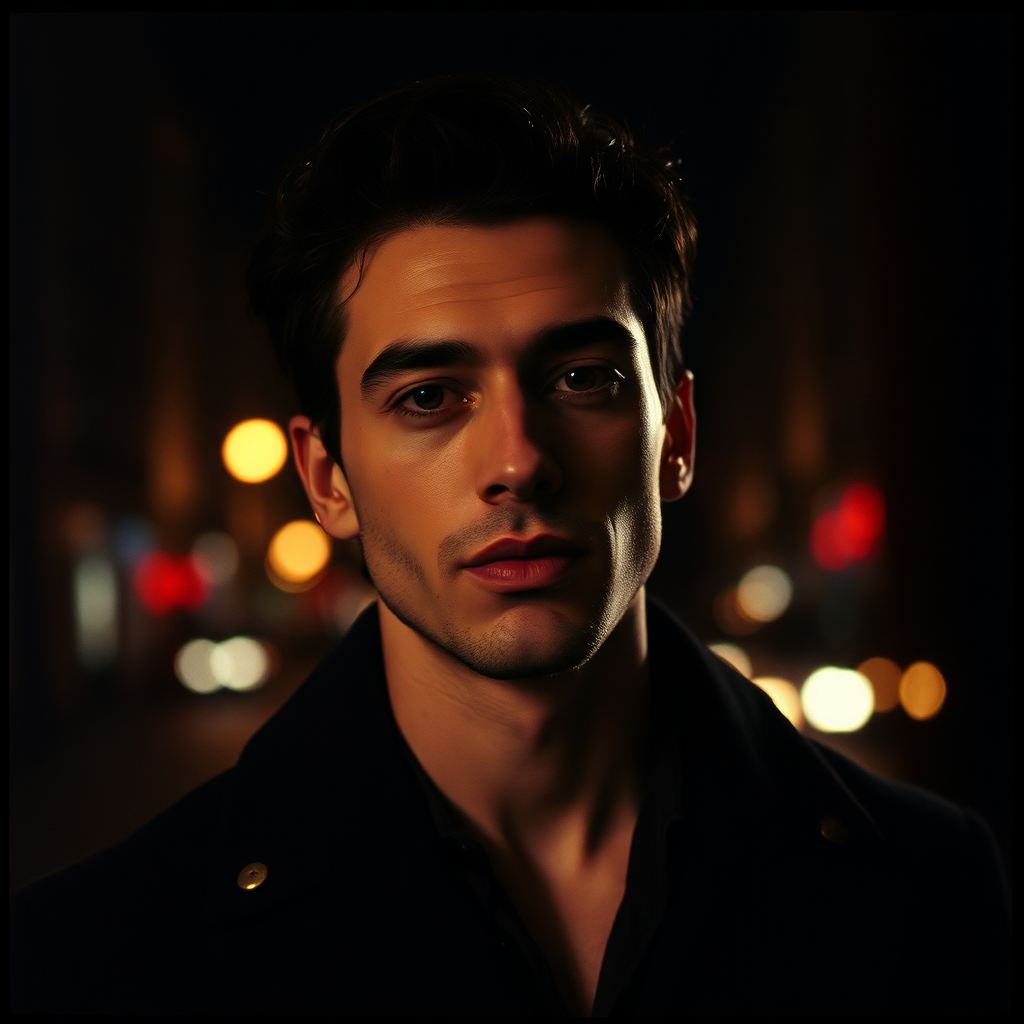
Introduction to NOCTURNE III Reste La
NOCTURNE III Reste La is more than a song; it is a compact cinema in a single listen. Julien Noir frames a moment that feels almost still, letting breath and repetition take center stage. The track opens with a solitary piano line that travels across an open space, a quiet invitation to lean in. The vocal performance is intimate, a portrait of vulnerability carried by a deep, resonant voice. You hear a careful balance between restraint and urgency—an emotional tension that mirrors the night skies over Paris.
In the lineage of chanson française, this work nods to a tradition of storytelling that Jean Cocteau might admire for its craft and restraint. Yet it remains firmly contemporary, with a cinematic arrangement that expands the listening space without crowding the core melody. The lyrics are precise, almost fragile, speaking softly to the idea of staying when the world threatens to drift away. The result is an experience that feels personal yet universal, a midnight conversation you wish could extend beyond the last note.
Thematically, the piece engages with the paradox of presence and absence, a quiet plea embedded in a phrase that refuses to surrender to disappearance. The emotional center is not grand gestures but the sincerity of a moment held in time, a signature of NOCTURNE III that makes it memorable in a crowded musical landscape.

What makes French love song unique
The French love song sits at a crossroads where poetry meets melody. It leans into narrative brevity, allowing a single image or moment to carry weight. In NOCTURNE III, the lyric arcs around a delicate, almost whispered plea—the word Reste là becomes a refrain that accumulates meaning through silence as much as through sound. This approach is a hallmark of the chanson tradition, yet the production remains distinctly cinematic: the room grows, the strings rise like a tide, and the piano offers spaces for breath to travel.
The lineage includes Édith Piaf’s emotional clarity, Charles Aznavour’s conversational intimacy, Jacques Brel’s theatrical longing, and Serge Gainsbourg’s tactile mood. Those references aren’t mere homage; they inform a modern sensibility where the night becomes a character, and music functions as a language of mood. In NOCTURNE III, the tension between restraint and desire channels this heritage into a contemporary canvas—one that invites reflection, writing, and a personal soundtrack for late hours.
The lyric craft emphasizes economy: a few words, carefully chosen, that carry a universe of feeling. This is not spectacle; it is conversation with the self. To anchor the experience in broader cultural memory, the text nods to other French voices—Dalida, Joe Dassin, and the broader Parisian musical culture—without turning into a nostalgia trip. The result is a modern chanson that remains unmistakably French in its cadence, its cadence, and its quiet bravado.
Emotional atmosphere of the song
The emotion driving NOCTURNE III is deliberate, almost lit by a burning tension. It is passionate in the sense of intensity that does not erupt into fireworks but settles into the bones. The tension arises from the space between two people—the moment of looking, the moment of staying, the moment of a word held back. The lyric’s fragility works as a mirror for the listener’s own vulnerability, inviting immersion rather than distraction.
The musical landscape supports this intensity through sparse piano, a micro-dynamic that breathes with the vocal line, and cinematic strings that swell with restrained urgency. The arrangement uses repetition, but not for repetition’s sake. It uses repetition to deepen memory—the way a night scene repeats in your thoughts after leaving the theater. The mood is not loud; it is thick with atmosphere, a liquid stillness that keeps you warm rather than stirs you to action.
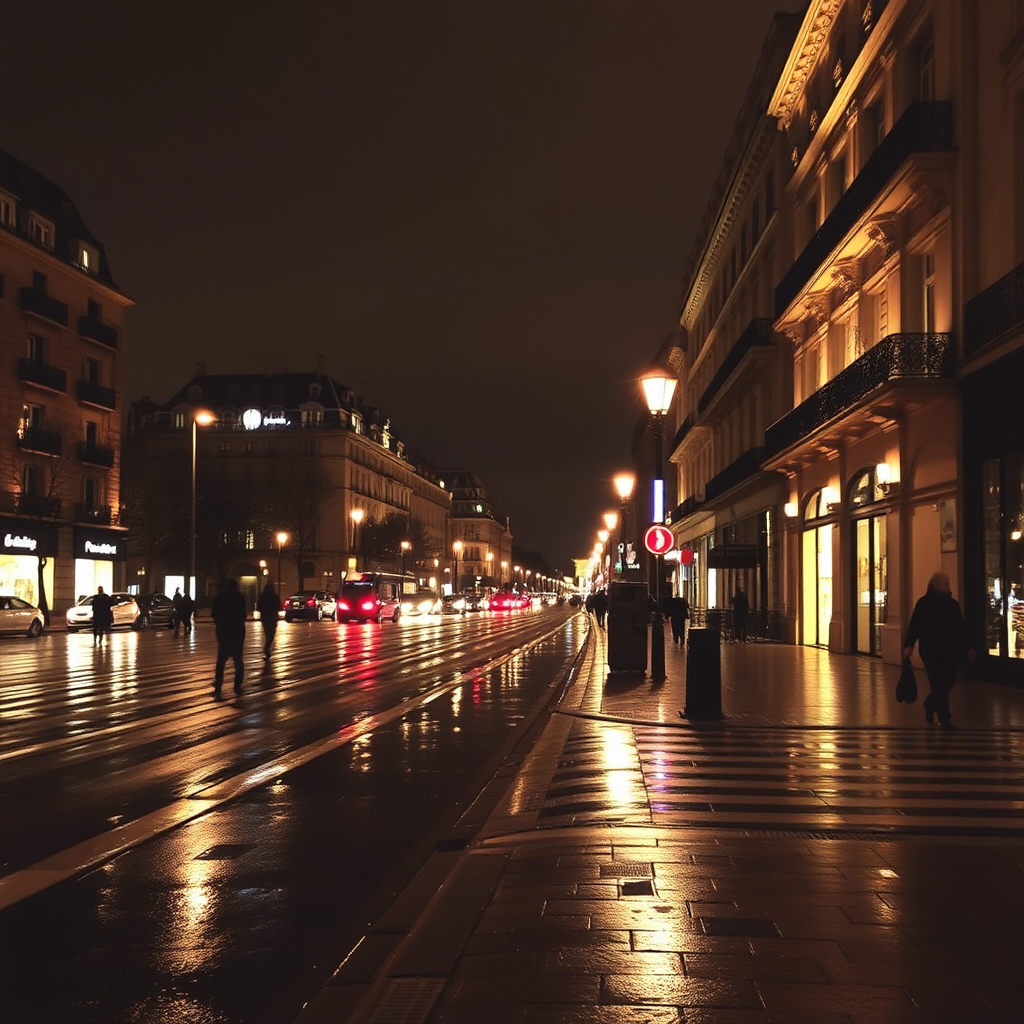
In the broader sonic universe, NOCTURNE III positions itself within the Parisian nightscape—glassy windows, rain-washed avenues, the muffled pulse of distant traffic. It is a study in how love songs can carry both tenderness and tension, a duality that mirrors the quiet bravery of staying when the world seems to drift away.
The artistic universe of Julien Noir
Julien Noir builds a modern French music world rooted in chanson française tradition. The artistry lives in nocturnal, intimate pop ballads that feel cinematic and human at once. His voice carries a deliberate gravity that invites close listening, inviting listeners to hear nuance in every breath and syllable. The music is designed for the night—for writing, for reflection, for quiet conversations that happen with the lights low.
The artistic philosophy emphasizes identity, vulnerability, and human emotion through French-language storytelling. The mood is not about grand declarations but about the inner lives we inhabit when the room goes quiet. On this channel you’ll hear chansons d’amour françaises that sit between classic and contemporary, offering intimate, cinematic soundscapes that feel both timeless and urgent.
Visual identity leans into editorial, album-art styling: muted palettes, careful typography, and imagery that evokes a Parisian night—think Dalida’s cinematic poetics, Joe Dassin’s melodic clarity, and Gainsbourgian mood as a through-line. The audience is invited to listen with intention, to linger, and to discover new layers with every pass.
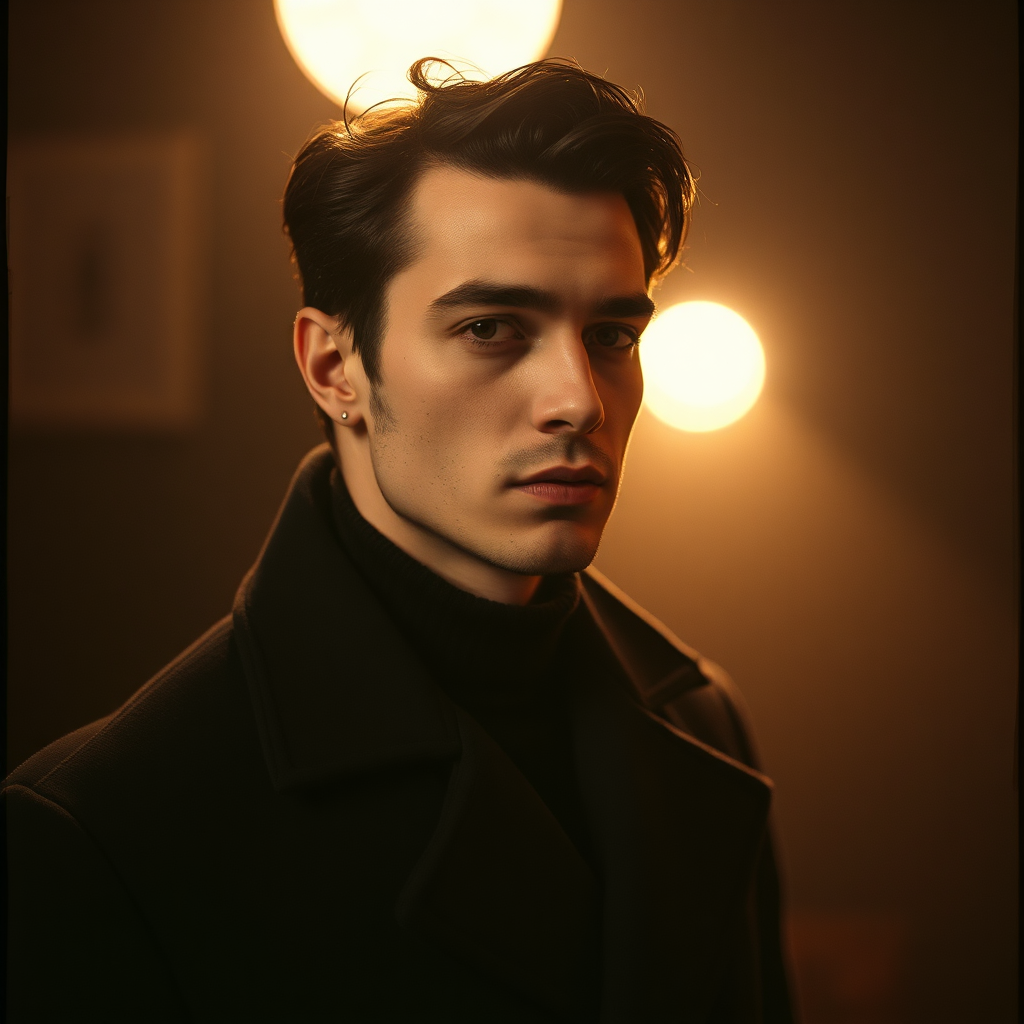
The visual language echoes the music: quiet, thoughtful, with a touch of film grain aesthetic. It is designed to feel collectible, a page in a premium magazine rather than a disposable clip.
Modern vs classic French romantic music
The evolution of romantic French music has always balanced lyrical intimacy with staging, from the intimate voice-and-piano arrangements of early chanson to the cinematic expanses of contemporary pop. NOCTURNE III sits at that intersection. It keeps the lyric as a central vehicle for emotion while inviting orchestration and spatial sound to widen the listening field. The sense of romance remains grounded in humanity—the fragile, stubborn hope of staying when everything around you shifts.
The track converses with historic voices: Piaf’s direct emotional honesty, Aznavour’s conversational rhythm, Brel’s dramatic storytelling, Gainsbourg’s tactile mood. Yet the production philosophy is forward-looking: cinematic strings, measured dynamics, and a modern vocal approach. The result is a seamless bridge between eras, making it easy for new listeners to discover the lineage of chanson while feeling the immediacy of today’s mood.
Listening experience (night, solitude, creativity)
NOCTURNE III is designed for the mind’s late hours. The tempo promotes a contemplative rhythm rather than action; the quietness invites writing, reflection, and a certain generosity toward silence. The rain-soaked mood makes every listener feel as if they’ve stepped into a Paris apartment after a storm—windows glossed with moisture, streets softened by reflections, a soft glow from street lamps painting the room with amber and blue.
This is a listening context that rewards slow immersion. The song’s architecture—piano, strings, sparse arrangement—creates pockets of resonance, encouraging a moment of focus, a paragraph of prose, or a quiet melodic sketch for a creative project. The emotional arc is intimate rather than expansive, turning the act of listening into a private ritual.
If you’re writing, studying, or simply watching the night unfold, NOCTURNE III provides a soundtrack that respects your attention. It’s a companion during solitary hours, a soft anchor when thoughts wander, and a reminder that even in quietness, emotion can speak with clarity.
Parisian cinematic influence
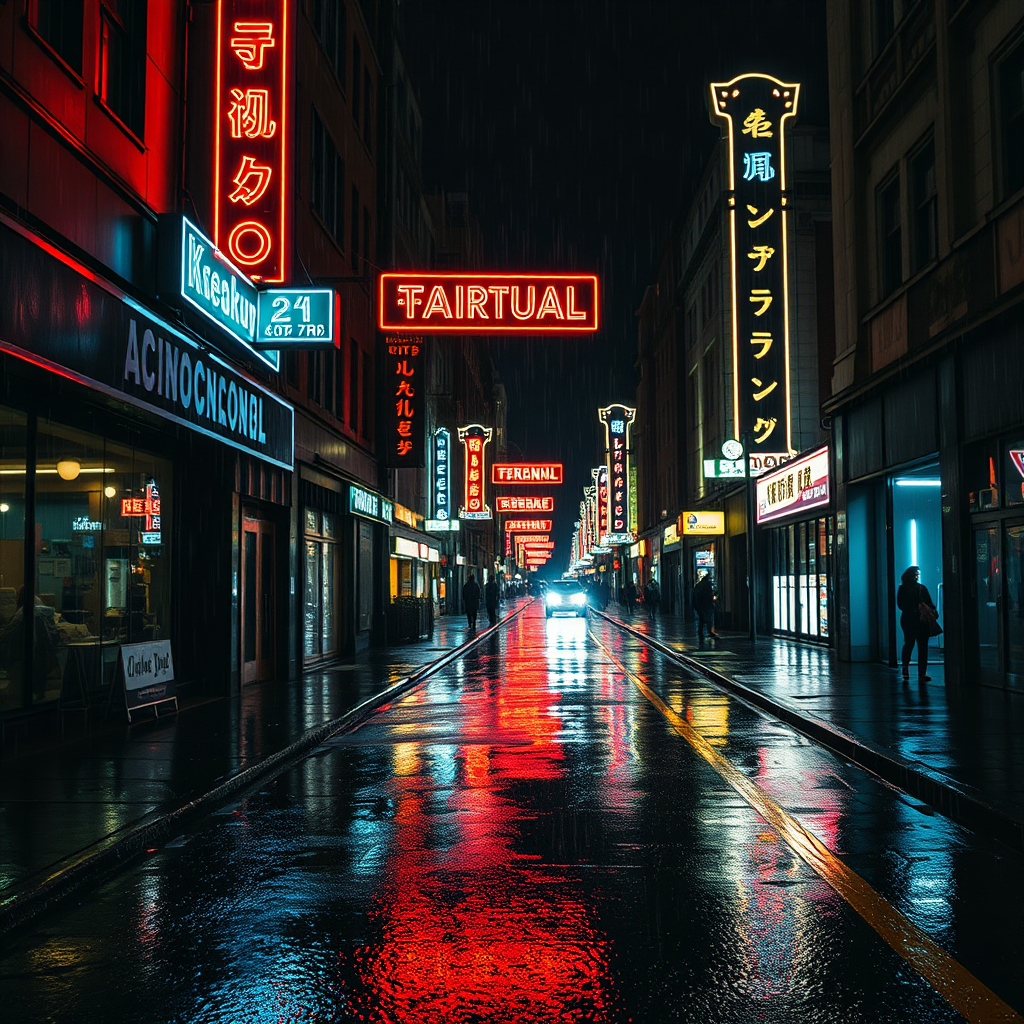
The city of Paris is a living frame for this music. Cinematic cues—rain on cobblestones, streetlamps reflecting on wet glass, and the quiet drama of an apartment window—shape the listening experience. The production leans into a filmic palette: color grading that leans toward midnight blues and coppery golds, sound design that embraces air and space, and an editing sensibility that treats each verse as a scene transition.
The narrative quality of NOCTURNE III aligns with legendary French music cinema, where mood and motif supersede loudness. In this sense, the song serves as a portal—an audible postcard from a nocturnal Paris that invites you to linger, imagine, and experience the city’s romance as a living, breathing mood.
Why this song feels timeless
Time grants NOCTURNE III a rare quality: it speaks in a language that remains legible across eras. The song’s core—repetition, breath, and emotion—becomes a meaningful rhythm rather than a structural gimmick. The quiet phrase Reste là functions like a motif that returns with emotional yield, inviting listeners to project personal meaning onto the moment. It is a timeless approach to love songs: to trust the space between notes as much as the notes themselves.
The track sits within the broader world of chanson française and Parisian music culture, yet it confidently speaks to a contemporary audience. It nods to the past through references to Piaf, Aznavour, Brel, and Gainsbourg while embracing a modern, cinematic production ethos. The result is a piece that feels both intimate and expansive—an invitation to listen closely, then listen again, and to let the mood infiltrate everyday listening with a kiss of midnight air.
In short, NOCTURNE III remains relevant because it treats emotion as a flexible, living force—one that can be delicate, fiery, and quietly defiant at once. It is the kind of song that makes you want to press play again when it ends, and to carry its mood into a late-night memory, long after the last note fades.

Quick Summary
- Musical style: A refined blend of intimate vocal storytelling with cinematic orchestration, rooted in chanson française tradition yet tailored for modern listening spaces.
- Emotional tone: Passionate, intense, and romantically charged—comfortably balanced by restraint to avoid overwhelm.
- Atmosphere: Rainy evening imagery—wet streets, glassy windows, soft neon—pairing mood with melody to deepen immersion.
- Listening context: Ideal for night-time reflection, writing, or slow, focused listening that invites personal interpretation.
- Genre identity: Modern chanson d’amour française—cinematic, intimate, and crafted for nocturnal listening.
FAQ
What is French love song?
A lyric-driven style of French songwriting that blends intimate storytelling with melodic, mood-led production, rooted in the chanson tradition.
Who is Julien Noir?
A modern French musician known for chanson-inspired, cinematic pop ballads performed in a warm, intimate vocal style.
What makes this song unique?
A sparse, emotionally dense arrangement that pairs a whispered vocal with rising strings, creating a lingering, cinematic mood.
Why are French love songs so emotional?
They center on intimate storytelling, cadence, and breath, turning vulnerability into a refined, almost tactile musical language.
When is the best time to listen?
Late evenings, when the mind is open and time slows—perfect for writing, reflection, or quiet listening before sleep.
What defines modern chanson d’amour français?
A contemporary take on classic storytelling—intimate lyrics, atmospheric production, and a cinematic sense of mood that speaks to present-day listeners.