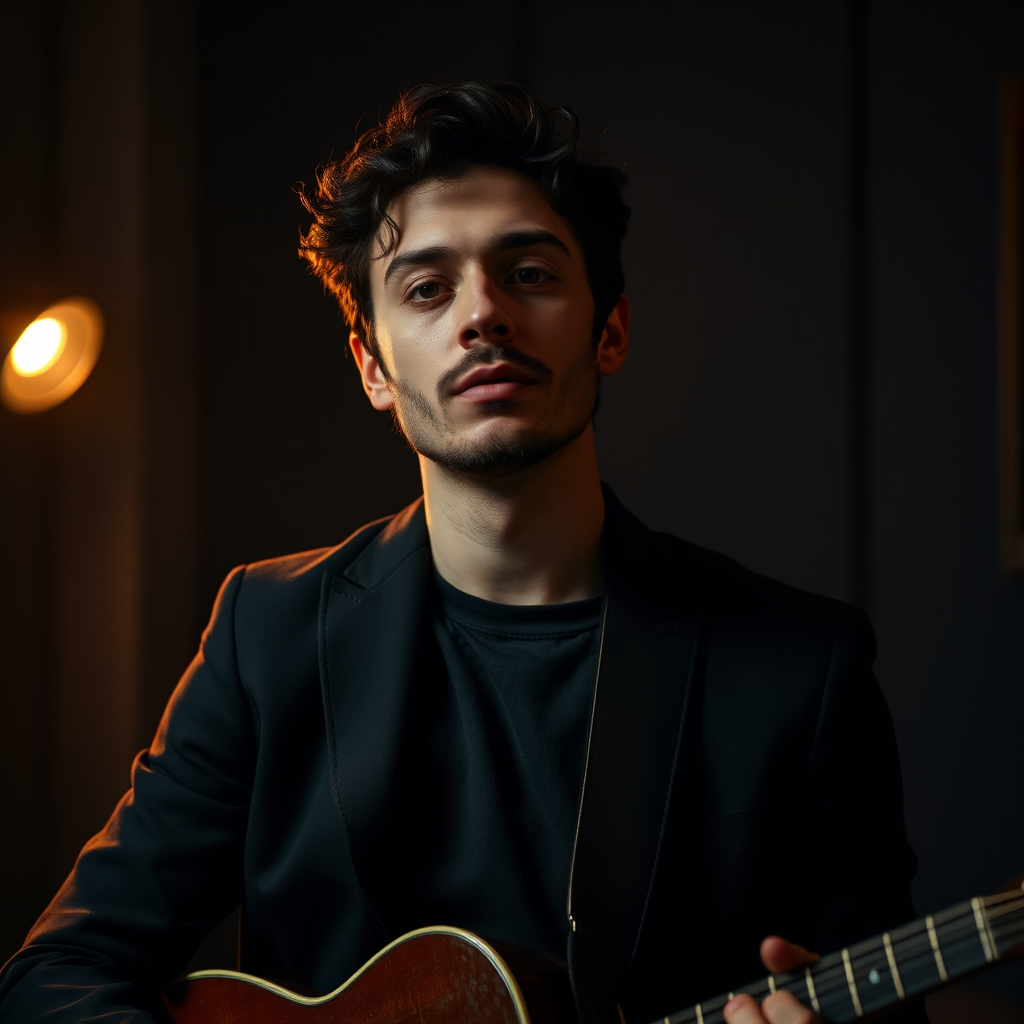
Introduction to NOCTURNE I – Lyon, 2AM
NOCTURNE I is a whisper of memory set against rain-soaked streets in Lyon. It is the nocturnal confession of a modern chanson d’amour, where cinematic scales drift between intimate vocal takes and a spacious, almost ambient arrangement. The song invites a late-night audience—listeners who linger on the edge of remembrance and possibility. Its tempo and phrasing are crafted to feel like a magazine feature: thoughtful, expansive, with room for reflection as the city quiets down.
Quick Summary
- Musical style: refined French pop ballad with cinematic orchestration and intimate vocal texture.
- Emotional tone: nostalgic, memory-driven, reflective—an inward voyage through a past relationship.
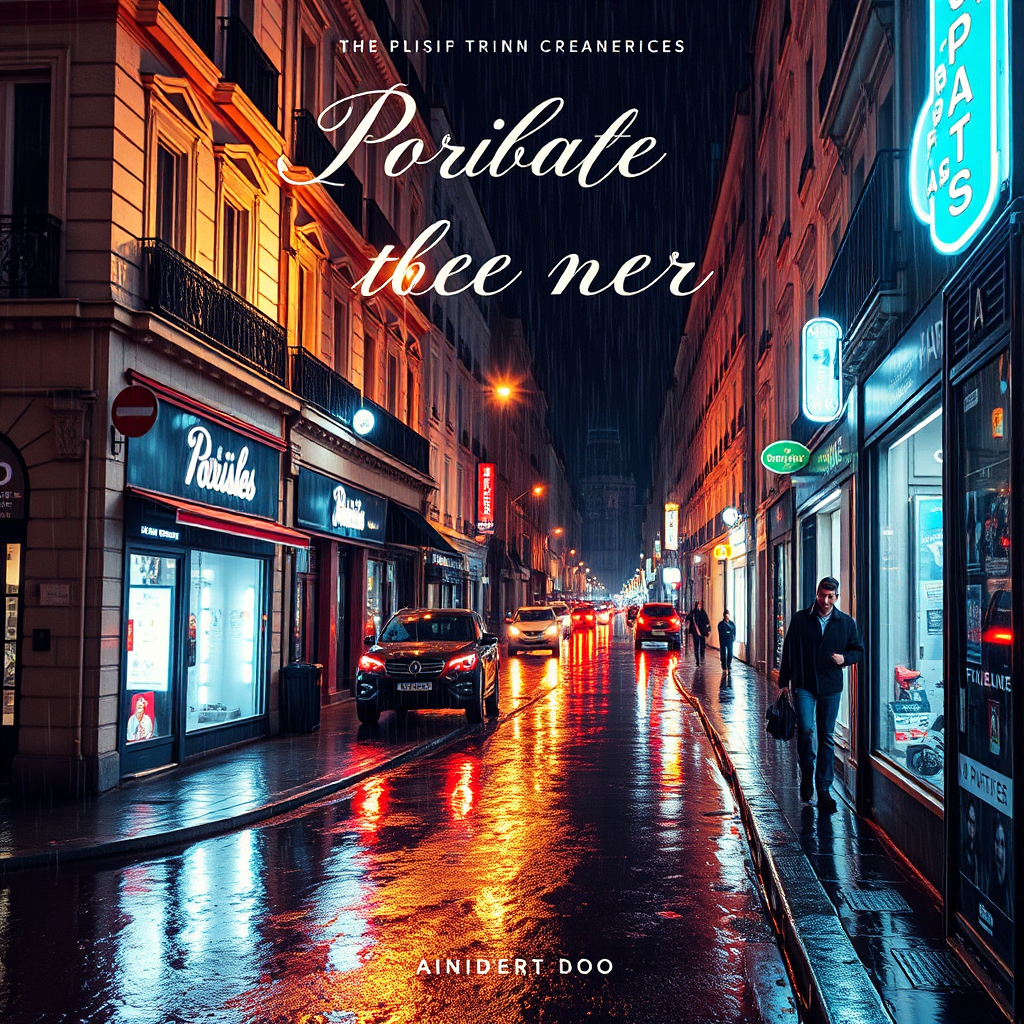
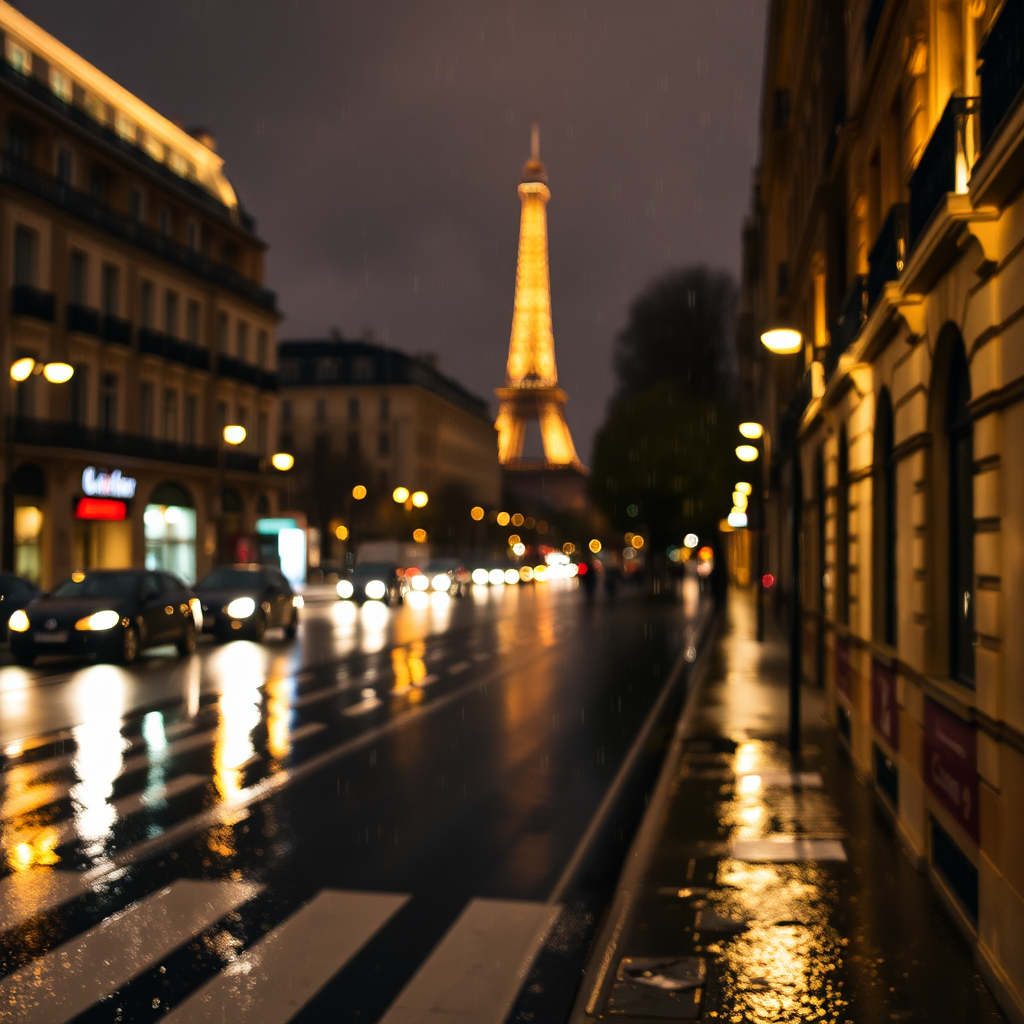
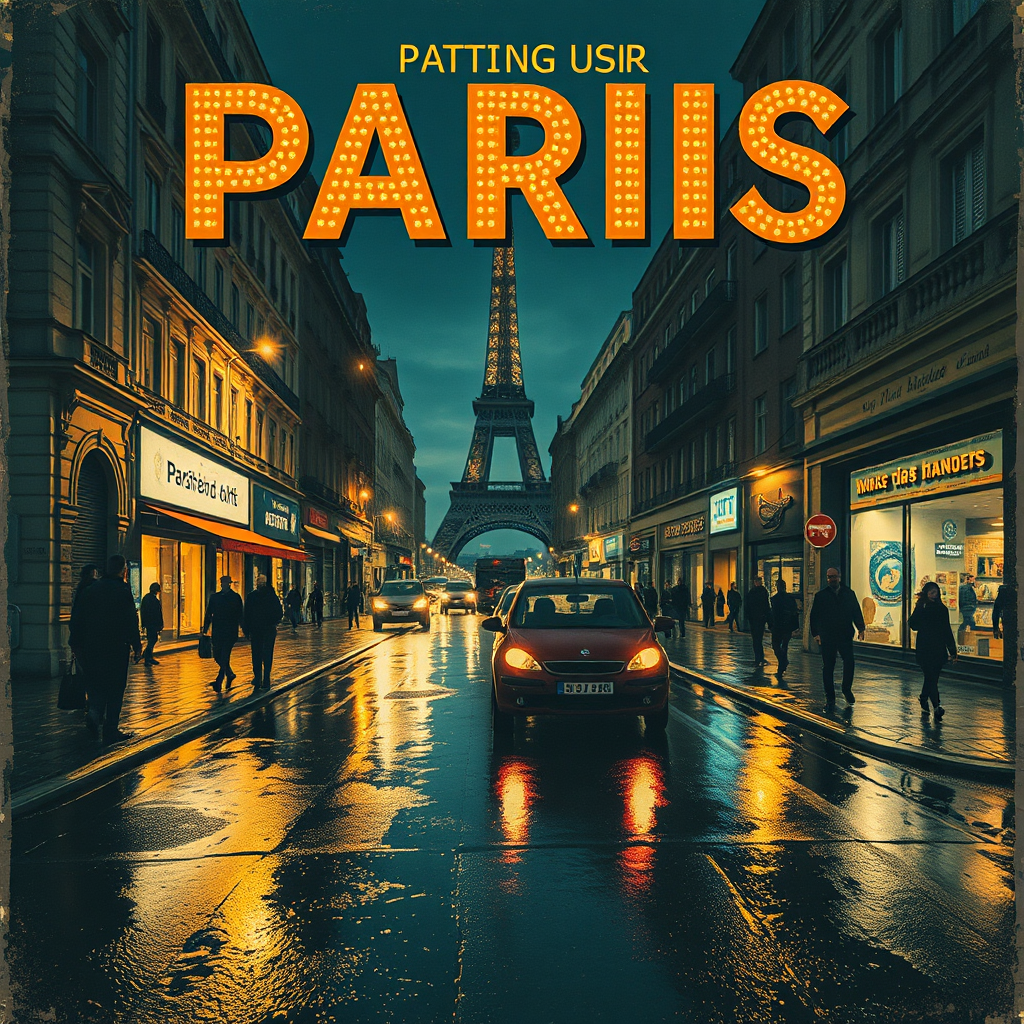
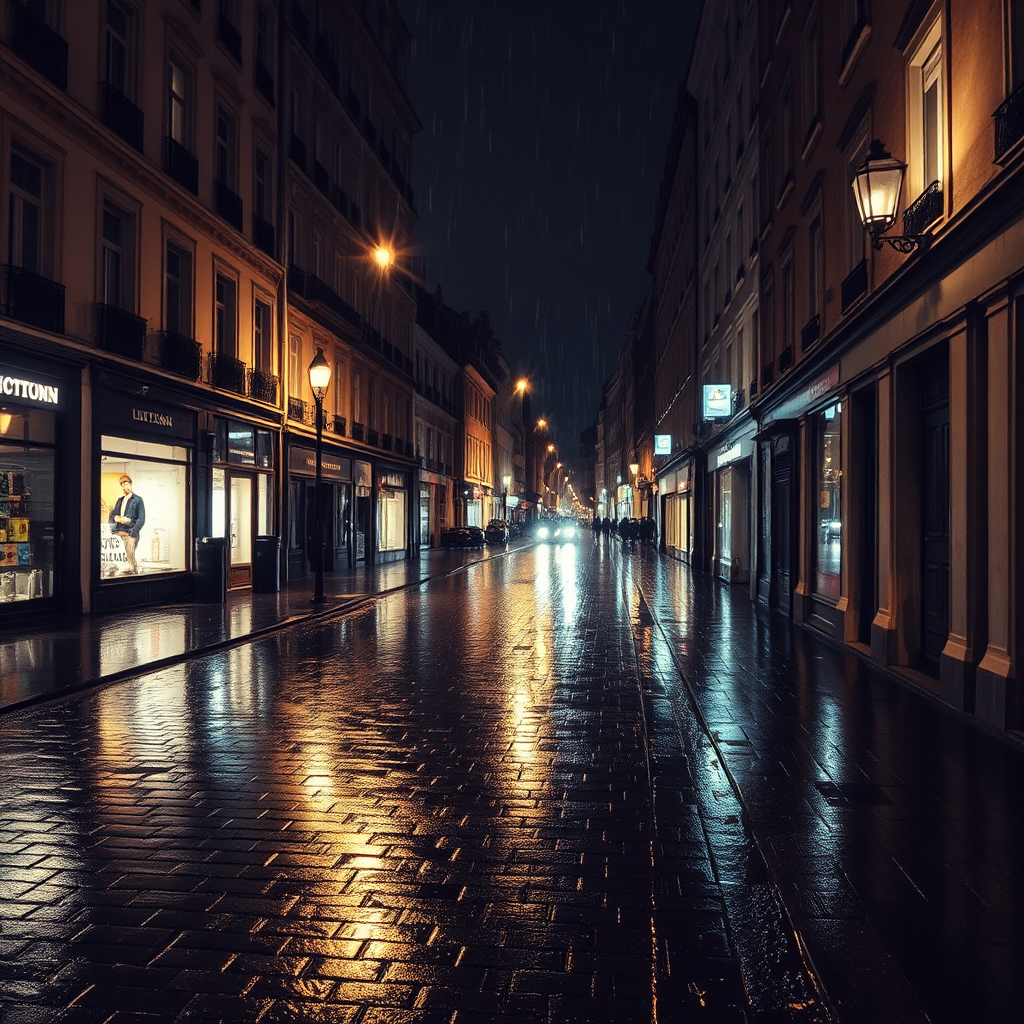
- Atmosphere: night-time Parisian/montage mood—city lights, rain, soft neon—the mood of a quiet confession.
- Listening context: ideal for late-night writing, introspection, and moments when words feel scarce yet meaningful.
- Genre identity: modern chanson d’amour français—classic influences with contemporary production and a cinematic lens.
Introduction to NOCTURNE I – Lyon, 2AM
NOCTURNE I is more than a song; it is a quiet descent into memory. The rain-soaked streets of Lyon become a stage for intimate storytelling, where each line carries a delicate weight. Julien Noir writes with a patient cadence—language that breathes, pauses that invite listening, and melodies that drift like neon reflections on wet pavement. The track uses sparse instrumentation to carve space for the vocal performance, letting warmth in through subtle guitar, minimal keys, and a mist of atmospheric textures. In this space, the listener is not merely hearing a song; they are stepping into a cinematic moment that lingers after the last note fades.
Story in a sentence
A quiet descent through memory, where every lyric is a footprint in the rain and every melody a breath held in the night.
Listening posture
Sit with headphones on. Let the production breathe around the vocal line; notice how silence becomes an instrument and memory becomes a chorus.

What makes french love song unique
The french love song, or chanson d’amour française, is more than sentiment. It is a method of listening—an architecture of memory where each word carries a footprint, and each gesture in melody becomes a scene in a film you revisit. NOCTURNE I embraces this tradition while reinterpreting it through modern production choices: a restrained ensemble, close-miked vocals, and a cinematic sense of space that invites the listener to witness a private moment as if it were a premiere. The lyrics lean into poetry and observation—rather than blunt storytelling—encouraging the listener to fill in the spaces with their own memory.
Julien Noir positions himself as a contemporary storyteller, drawing from a lineage that includes Édith Piaf, Charles Aznavour, Jacques Brel, Serge Gainsbourg, Dalida, and Joe Dassin. In NOCTURNE I, the influence is felt not as imitation but as a resonance: the sense that a chanson can be both timeless and newly minted for the night you are living.
Why it stands out
The pairing of nocturnal Paris imagery with memory-forward lyrics forms a bridge between classical romance and contemporary vulnerability. The arrangement never overwhelms the voice; it hovers around it, letting the performance breathe and listeners lean in for detail.
Cultural lineage
The reference loom includes Piaf’s nerve, Aznavour’s storytelling, Brel’s introspection, Gainsbourg’s sensuality, Dalida’s luminosity, and Joe Dassin’s sunlit clarity. NOCTURNE I borrows vocabulary from this lineage while allowing space for the night to speak back.
Emotional atmosphere of the song
The emotional core of NOCTURNE I is a quiet, almost whispered nostalgia. It asks a listener to linger with a memory that resists being fully understood. The mood is melancholic yet intimate, like a letter read by candlelight in a quiet room after a long day. The atmosphere is not flashy; it is carefully curated, allowing the melodies to unfold like a soft rain through a cityscape. The memory is not a replay but a reframing—an opportunity to observe a past relationship through new hearing, now tinted with age, tenderness, and clarity.
“Love, once held, returns as a memory you can listen to.”
The production leans into space. Each instrument sits with intention, and the vocal line remains the polar star—human, expressive, and patient. The listener is invited to hear the breath between words, to notice how the rain amplifies the sense of distance and proximity at once, and to feel the weight of a memory that persists even when the moment has passed.
The artistic universe of Julien Noir
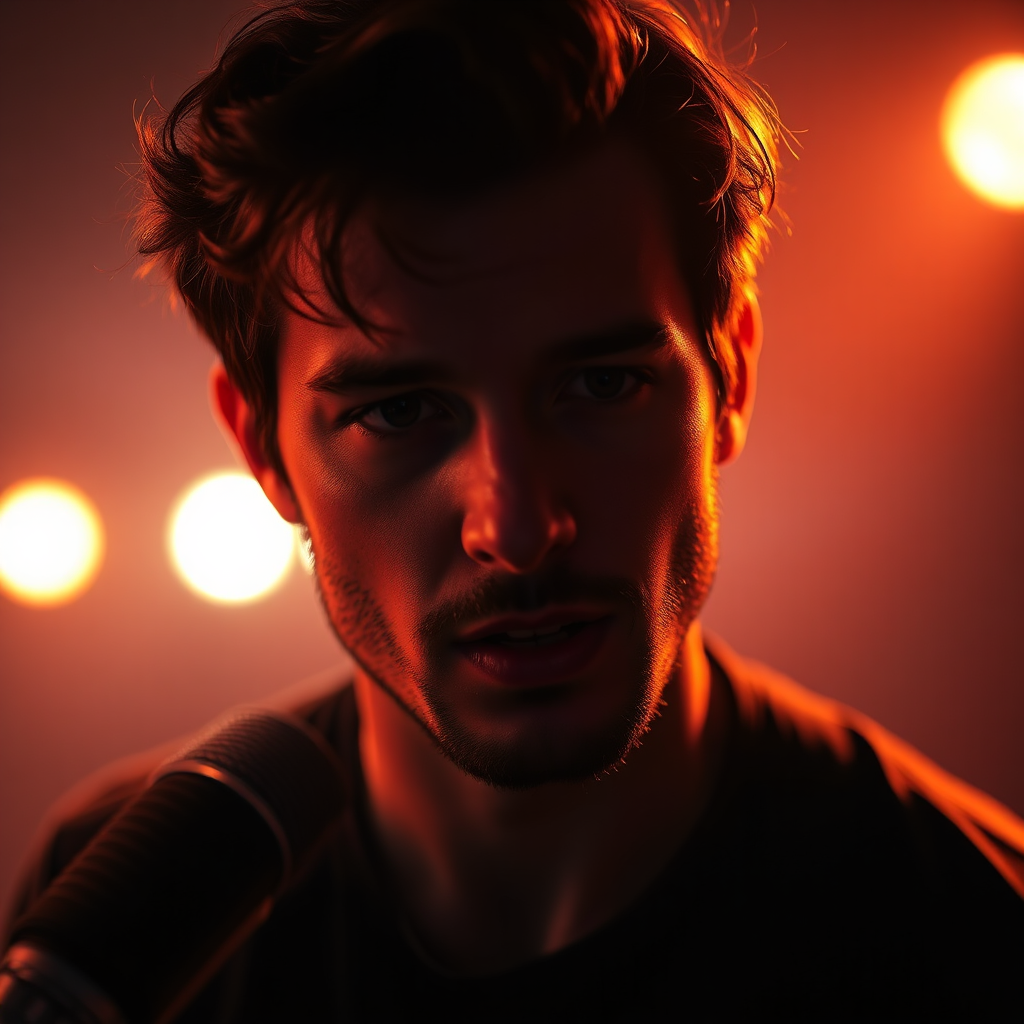
Julien Noir crafts modern French music through a lens of nocturnal storytelling. His approach centers on vulnerability, intimate vocal performance, and cinematic arrangements. The sound sits at the intersection of chanson tradition and contemporary pop production, with an emphasis on mood and narrative clarity. Across tracks, Noir explores identity, memory, and human emotion, inviting listeners to participate in the storytelling rather than merely observe it.
Influences trace back to legendary figures in the chanson d’amour Française, but the voice is distinctly contemporary: warm, resonant male vocals, minimal yet tactile instrumentation, and a sense that every chorus could be a chorus of a film score. The work speaks directly to night owls, writers, and dreamers who find solace in songs that grow louder in quiet places.
Artistic influences
The lineage includes Édith Piaf and Jacques Brel for lyrical gravity, Serge Gainsbourg for sonic daring, Dalida for melodic warmth, and Joe Dassin for clarity of emotion. Noir channels these energies through a modern lens, combining narrative depth with a cinematic sense of space.
Sound palette
A restrained ensemble—piano, light strings, subtle pads, and a clean groove—meets a vocal performance that sits close to the mic. The result is an intimate, nocturnal atmosphere suitable for late-night listening, writing, or reflection.

Modern vs classic French romantic music
NOCTURNE I sits at a junction where historical lineage informs contemporary craft. The solemn, earnest storytelling of early chanson meets a current production language—clear vocal presence, refined textures, and a nuanced approach to dynamics. The modern arrangement avoids excess, channeling attention to lyric nuance and emotional signal rather than spectacle. The result is a sonic space that honors the past while inviting new listeners to occupy it.
In performance contexts, this blend makes the track suitable for cinematic listening experiences, soundtrack cues, or intimate mixtapes. It maintains a respectful nod to the grand tradition while ensuring accessibility for a worldwide audience seeking mood-driven, lyric-forward French music.
Key contrasts
- Past lineage vs present context: lineage preserves depth; present provides immediacy.
- Orchestration: sparse vs lush textures, depending on moment and emotion.
- Vocal approach: intimate storytelling vs wider melodic statements.
Listening framework
Approach NOCTURNE I as a filmic cue—start with the mood, listen for the details in the lyric ladder, and let the production guide the emotional arc. The experience rewards deliberate listening, where small dynamics reveal themselves on repeat plays.
Listening experience (night, solitude, creativity)
The act of listening to NOCTURNE I is an invitation to slow down and notice. In the quiet hours, the track becomes a companion to writing, reflection, and creative work. The music offers a gentle scaffold for thoughts that arrive late—the way a memory sorts itself into rhythm and phrasing when given space. It is the kind of song that rewards repeated listening, as new textures unfold each time you return to it.
The lyricism leans into imagery rather than explicit narrative, enabling personal interpretation. It is not a loud anthem; it is a soft corridor where ideas arrive, linger, and depart with a sense of quiet closure. In solitude, NOCTURNE I can become a soundstage for inner conversations, writing sessions, and late-night musings about love, time, and how memory endures.
Listening scenario ideas
- Late-night writing sessions with headphones, dim light, and a notebook nearby.
- Long drives through quiet streets after rain, with the city softly receding.
- Soundtrack for a cinematic montage of memory and longing.
Parisian cinematic influence
NOCTURNE I is shaped by the quiet grandeur of Parisian cinema—the rain-slick streets of Le Havre through a Noirish lens, the luminous glow of streetlamps on a late-night boulevard, and the sense that every scene could belong to a classic European film. The sonic palette mirrors that sensibility: deliberate pacing, intimate close-ups in the vocal delivery, and a sense of space that invites the mind to wander through the cityscape. The track is both a homage and a contemporary reinterpretation, bridging a century of storytelling with a present-day microphone.
In this context, the song functions as a bridge between eras—an entry point for fans of traditional chanson and a doorway for new listeners discovering French cinematic music. The mood evokes works by directors and composers who understood that light, shadow, and weather can carry emotion as effectively as any lyric.
Why this song feels timeless
Timelessness in NOCTURNE I arises from its refusal to rush memory. The track gives memory time to breathe, letting the listener hear how a relationship’s echoes persist even as events move forward. The cinematic approach makes it accessible across generations: the language is lyrical and precise, yet the emotional beat is universal. The result is a recording that feels like a memory you know you will keep revisiting, exactly when you need a reminder of the way love can exist in the quiet hours, lasting long after the moment has passed.
The song’s authenticity comes from a craft that prioritizes atmosphere, narrative, and human voice over spectacle. That combination—memory-forward lyrics, intimate vocal delivery, and a restrained but expressive arrangement—keeps the work relevant in a world where streaming and algorithmic pacing often reward quick, glossy hooks. NOCTURNE I asks listeners to stay for the arc, not just the hook.
Timeless elements
- Memory as a narrative engine rather than a plot device.
- Economy of production that leaves space for voice and lyric.
- A cinematic sense of place that invites personal imagination.
Quick Summary (reprise)
- Musical style: refined French pop ballad with cinematic texture.
- Emotional tone: nostalgic, memory-driven, reflective—an inward listening journey.
- Atmosphere: night-time Parisian mood with rain, neon, and quiet streets.
- Listening context: late-night writing, introspection, or solitary listening sessions.
- Genre identity: modern chanson d’amour française with contemporary production and filmic mood.
Entity Context and influences
NOCTURNE I nods to a constellation of artists and cultural touchstones within chanson française and Parisian cinema. This network of influence anchors the work in a shared language of emotion and memory:
- Édith Piaf — the confidence of vulnerability, the economy of a lyric that lands with precision.
- Charles Aznavour — storytelling that breathes, a sense of life lived in the turn of a phrase.
- Jacques Brel — existential introspection and dramatic musical phrasing.
- Serge Gainsbourg — sonic experimentation with a refined sensibility.
- Dalida — warmth, luminosity, and an emotional charge that remains intimate.
- Joe Dassin — clarity of sentiment and a sunlit sincerity that counterbalances noir mood.
Cultural references
The project sits within chanson française and Paris romantic music culture, a lineage that treats melody as memory and mood as narrative. It also aligns with cinematic French ballads that pair visual storytelling with intimate vocal performance.
Notes on cinematic influence
The music is designed to play like a scene in a Paris-set film—moments that feel both specific and universal, inviting listeners to supply their own episodes and endings.